

Ever think about the water and money you waste with old fixtures? Moving to water-saving options isn’t just good for the planet. It also saves you cash. Modern low-flow fixtures let you use less water without giving up comfort or function.
Key Takeaways
- Low-flow fixtures are designed to reduce water consumption.
- They offer immediate and long-term financial benefits.
- Installing low-flow fixtures can increase your home’s resale value.
- These fixtures contribute to decreasing energy usage and supporting sustainability efforts.
- Upgrading to low-flow fixtures is a step towards a more cost-effective and environmentally friendly home.
Understanding Low-Flow Fixtures
In our journey towards *sustainable living*, learning about low-flow fixtures is key. They help cut down on water use at home. These smart solutions save water while keeping your comfort and performance.
What Are Low-Flow Fixtures?
Low-flow fixtures use less water than older models. They range from low-flow toilets to *water-saving showers*. By choosing these, you help the planet and keep your water bills low.
Types of Low-Flow Fixtures Available
There’s a wide selection of low-flow fixtures to pick. Low-flow toilets are a hit because they use less water with each flush. *Water-saving showers* feel great and also save water. Other options include faucet aerators and dual-flush systems, expanding your *eco-friendly plumbing* choices.
How Low-Flow Fixtures Work
Low-flow fixtures cut down water use smartly. Take low-flow toilets, for example, they flush efficiently with less water. Water-saving showers mix air with water for a fulfilling shower that conserves water. This technology ensures you use less water without losing out on comfort.
Cost Savings on Water Bills
Getting low-flow fixtures can cut down your water bills a lot. These fixtures save water, bringing down costs right away and over time. They work well with energy-saving appliances, lowering your bills all year.

Immediate Savings from Installation
Right after putting in low-flow fixtures, you start to see their worth. The water bill for the first month usually shows clear savings. These fixtures need much less water, leading to a quick decrease in use.
Long-Term Financial Benefits
As time goes on, you keep saving more. Using less water means consistently lower bills. Adding energy-efficient appliances with these fixtures can boost your savings even more. These small changes end up saving a lot of money later.
Impact on Home Resale Value
Low-flow fixtures can also help when you sell your home. Buyers like houses that are set up to use less water and electricity, because it means less in bills for them. In a tight market, these upgrades can make your house worth more, possibly getting you a higher selling price.
Environmental Impact
The environmental impact of plumbing choices is key for sustainable living. Making conscious decisions to lower water use and energy consumption helps the planet greatly. Through these actions, you support eco-friendly plumbing methods.
Reducing Water Consumption
Choosing water-saving fixtures is essential for lower water use at home. Options like low-flow toilets, showerheads, and faucets save a lot of water. They play a big part in the environmental impact of plumbing choices by reducing waste, leading to greener lifestyles.
Decreasing Energy Usage
Lowering energy use is also crucial through eco-friendly plumbing. Upgrading to efficient water heaters and tweaking your water system cuts down energy needs for heating water. This reduces your home’s energy needs and carbon footprint, helping the environment.
Supporting Sustainability Efforts
Using eco-friendly plumbing supports worldwide sustainability goals. Such actions save both water and energy, promoting responsible living. The impact of your plumbing choices goes beyond your home, aiding in a global push to save our planet for the next generations.
Improving Home Water Efficiency
Making your home more water-efficient is both important and beneficial. It helps save our planet’s resources and cuts down on your bills. We’ll look at how to check your water usage, understand the benefits in areas that use a lot of water, and see how homes with many people can gain most.
Measuring Water Efficiency Before and After
Before upgrading, it’s key to know how much water you’re using. Setting up water meters lets you see your usage clearly. This way, you can tell how much you’ve improved after installing eco-friendly gadgets and low-flow fixtures. After these changes, you’ll see big savings and better water use right away.
Benefits for High-Usage Areas
Bathrooms and kitchens use lots of water, so focusing here is smart. By choosing efficient dishwashers and washing machines, you’ll use less water but still get things clean. Adding things like dual-flush toilets and low-flow showerheads will also cut down your water use in these key spots.
Households with Multiple Residents
When lots of people live in a house, saving water is even more crucial. If everyone is using water all day, energy-saving appliances and water-efficient fixtures make a big difference. These steps help keep the water flowing for everyone’s needs, without wasting it, and keep your home running smoothly.
Enhancing Home Comfort
Choosing the right low-flow fixtures is key to improving your home’s comfort. These options save water and make your home feel better.
Maintaining Adequate Water Pressure
Many worry if low-flow fixtures keep water pressure high. Thanks to new tech, you get both efficiency and comfort. These fixtures keep water coming steadily, making daily tasks easier.
Enhanced water pressure makes your home feel just right.
Choosing the Right Fixtures for Your Needs
Each home’s needs differ. Picking low-flow fixtures that fit yours boosts both function and comfort. You can choose from different kinds like showerheads and toilets. Think about how much water you use and how many people are in your home. This helps you find the perfect fixtures.
Aesthetic Considerations for Upgrades
Looks matter too when upgrading your home. Modern low-flow fixtures come in many styles and designs. They can match your home’s look while improving function. Choosing stylish fixtures makes your space more welcoming and enjoyable.
Easy Installation and Maintenance
Adding low-flow fixtures to your home boosts efficiency and sustainability. It’s important to understand how they’re installed and maintained. This ensures you get the most out of them. Following simple steps and getting help from skilled plumbers make this process smooth.
Simple Installation Processes
Low-flow fixtures are easy to install, which is a big plus. Many fixtures can be set up by yourself, saving you time and hassle. If things get tricky, hiring experienced plumbers is a smart move. They make sure everything works just right.
Quick Maintenance Tips
Keep your low-flow fixtures in top shape to save water and money. Cleaning aerators and looking for leaks are easy tasks. These habits keep your fixtures efficient for longer, protecting your wallet.
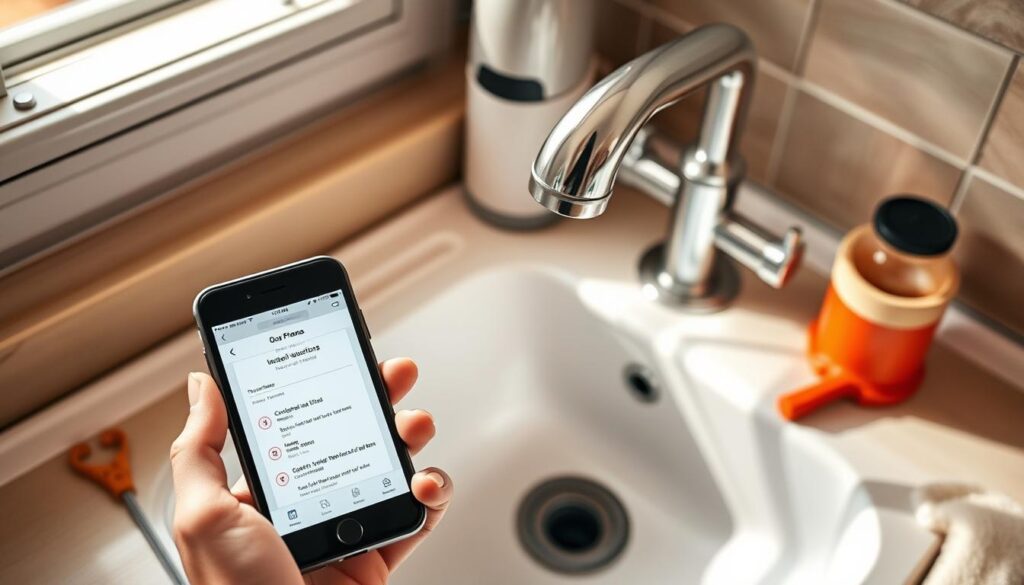
Where to Find Reliable Professionals
Choosing the right plumber for help is key. Look for professionals who are licensed and highly rated. Use directories or ask people you know for suggestions. Finding someone trustworthy ensures your fixtures are installed and cared for properly.
Incentives and Rebates for Installation
Installing low-flow fixtures saves you money and helps the planet. There are many programs to make eco-friendly upgrades more affordable. With these incentives, you can boost your home’s efficiency and get some money back.
Federal and State Rebates
The EPA has a WaterSense program that identifies products that conserve resources. States like California and New York provide rebates for choosing efficient plumbing products. They aim to encourage water conservation.
Local Utility Programs
Local utility companies also offer incentives for water-saving devices. Some even give out low-flow fixtures for free. It’s a good idea to ask your local providers about any eco-friendly upgrade incentives.
Tax Benefits for Energy Efficiency Upgrades
Low-flow fixtures could also offer tax benefits. The federal government gives tax credits for making your home more energy-efficient. This includes installing water-saving fixtures, which helps in saving on utility costs and supports environmental sustainability.
FAQ
What Are Low-Flow Fixtures?
Low-flow fixtures save water by limiting how much flows through them. They do this without losing efficiency. For example, you can find low-flow showerheads, faucets, toilets, and aerators.
What Types of Low-Flow Fixtures Are Available?
You can get many types of low-flow fixtures. These include showerheads, faucets, toilets, and aerators. They help save a lot of water while still working well.
How Do Low-Flow Fixtures Work?
These fixtures work by reducing water flow. Take low-flow showerheads, which mix air with water. This way, you get a good shower using less water. Low-flow toilets reduce water per flush with better flushing tech.
What Are the Immediate Savings from Installing Low-Flow Fixtures?
Putting in low-flow fixtures means lower water bills right away. Since they use less water, heating costs go down too. So, you save money fast.
What Are the Long-Term Financial Benefits?
In the long run, you save lots on water and energy bills. These savings can pay back the initial cost of getting low-flow fixtures, making them a smart choice for your home.
How Do Low-Flow Fixtures Impact Home Resale Value?
Homes with eco-friendly features like low-flow fixtures often sell for more. They attract buyers who want to save money and care about the planet.
How Do Low-Flow Fixtures Reduce Water Consumption?
By limiting water flow, low-flow fixtures help save water. This helps our towns and cities by easing pressure on the water supply.
How Do Low-Flow Fixtures Decrease Energy Usage?
Low-flow fixtures use less water, so there’s less water to heat. This means lower energy bills and less impact on the environment.
How Do Low-Flow Fixtures Support Sustainability Efforts?
Using less water and energy means we’re not using up resources too fast. This helps fight climate change and saves water for everyone.
How Can You Measure Water Efficiency Before and After Installing Low-Flow Fixtures?
Look at your water bills and meter readings before and after you install them. You’ll likely see a big drop in how much water you use and spend.
What Are the Benefits for High-Usage Areas?
Places like bathrooms and kitchens use lots of water. By installing low-flow fixtures there, you can see big savings in water and money.
Are Low-Flow Fixtures Suitable for Households with Multiple Residents?
Yes, these fixtures are great for homes with many people. The more folks, the more you save on water and energy.
How Do Low-Flow Fixtures Maintain Adequate Water Pressure?
Today’s low-flow fixtures keep the water pressure just right. They use smart design to ensure they work well while saving water.
How Do You Choose the Right Fixtures for Your Needs?
Think about water pressure, style, and your goals for saving water. Getting advice from plumbers or experts can also guide you.
What Are the Aesthetic Considerations for Upgrades?
You can find low-flow fixtures in many styles and finishes. So, you can choose ones that look good in your home without giving up on saving water.
How Simple Is the Installation Process for Low-Flow Fixtures?
Installing these fixtures is usually easy, and you might not need a pro. They often come with guides, and basic tools should do the job.
What Are Some Quick Maintenance Tips for Low-Flow Fixtures?
Keep aerators and showerheads clean to avoid clogs. Fix leaks or drips quickly. Also, check seals and gaskets to keep them in good shape.
Where Can You Find Reliable Professionals for Installation?
Find good plumbers through directories, reviews, or friends. Make sure they know how to install low-flow fixtures and have the right licenses.
Are There Federal and State Rebates Available for Installing Low-Flow Fixtures?
Yes, there are rebates from the government and states for these fixtures. Check the U.S. Department of Energy and your state for details.
What Local Utility Programs Offer Rebates for Low-Flow Fixtures?
Many local water companies give rebates for saving water with these fixtures. Ask your water provider what’s available.
What Tax Benefits Are Available for Energy Efficiency Upgrades?
You might get tax credits or deductions for making your home more efficient. Talk to a tax pro to see what you can get.

