
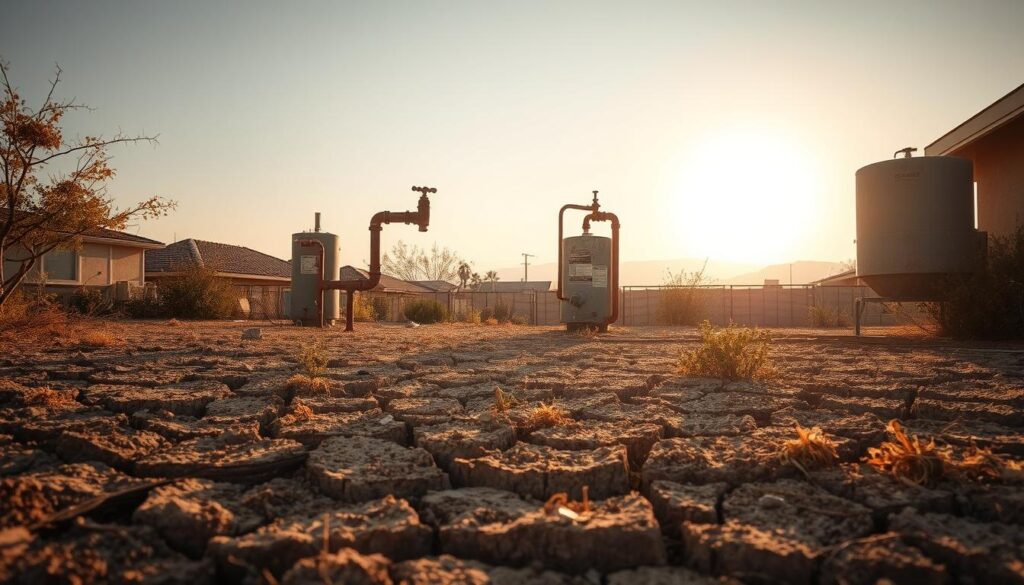
What if California’s recent rain is actually bad for your home’s pipes?
The end of drought in California should be good news for everyone. But it’s bringing problems for homeowners. The sudden increase in water is causing issues with plumbing. In Sacramento, people are seeing problems because of the changing moisture. More water means old sewer lines that were okay before are now breaking and leaking. Also, changes in ground moisture are making home foundations move. This puts pressure on the pipes in your house. It shows why it’s so important to check your plumbing regularly.
Key Takeaways
- Improved drought conditions in California are presenting new challenges for residential plumbing systems.
- Increased water flow is exacerbating dormant issues in sewer lines, resulting in cracks and leaks.
- Soil moisture changes are causing structural shifts in home foundations, impacting plumbing.
- Regular plumbing inspections and maintenance are crucial to mitigate potential damage.
- Homeowners need to stay vigilant about these hidden impacts to avoid costly repairs.
Understanding California’s Drought Conditions
Understanding the plumbing problems in California homes starts with knowing the serious water shortages. For years, California has dealt with harsh droughts. These droughts have led to water-saving rules that affect homeowners.
Overview of the Drought Levels
California’s drought levels are ranked from moderate to exceptional. Each level indicates a greater need for saving water. These stages help manage water use and decide on saving strategies. This directly influences residential plumbing.
During harsh droughts, rules make less water available in homes. This worsens plumbing issues in California during drought times.
Historical Context of Drought in California
California has a long history of droughts, from the Dust Bowl to recent dry years. These times show us the big impact on water use and plumbing. Homeowners have had to use less water, which affects their plumbing.
Knowing about past droughts helps us get ready for future ones. It also helps us tackle plumbing problems in our homes. This keeps our homes safe and working well.
Effects on Water Supply and Usage
California’s drought has deeply affected the state’s water supply and how people use water. With less water available, families have to use water wisely, trying to use less each day.
Changes in Water Availability
The drought has made water scarce, leading to new rules on how much water can be used. People across California are now using less water. They’re changing how they use water every day.
Impact on Household Water Consumption
The lack of water during droughts means less wastewater is produced. This can cause problems in home plumbing systems. Pipes and fixtures can get damaged if not used often. It’s key to manage water wisely to keep plumbing working right.

To sum up, California’s drought has big impacts on both water supply and how people use water at home. It’s important to use water carefully and keep our plumbing in good shape during these tough times.
Stress on Residential Plumbing Systems
Homeowners in California are facing tough challenges due to ongoing droughts. Their daily lives and plumbing systems are under severe strain because of the continuous lack of water.
How Drought Conditions Affect Pipes
When there’s a severe drought, the soil dries up and shrinks. This causes the ground to press on underground pipes, which may shift or crack. Drought-affected soil also leads to pipes moving out of place, raising the chances of leaks. Homeowners must be extra careful to spot and fix these issues soon.
Increased Risk of Leaks and Damage
During a long drought, small cracks in pipes might not get noticed and can get worse. When water use goes back to normal, these weak pipes may not handle the pressure, causing major leaks or burst pipes. That’s why it’s vital for homeowners to regularly check their pipes and fix problems early on. Keeping plumbing in good shape during a California drought means staying alert to these issues and dealing with them quickly to avoid big repairs and costs.
The Role of Aging Infrastructure
Old plumbing in California homes breaks down faster during dry spells. Dry conditions worsen the wear on these old systems, leading to unexpected plumbing problems. It’s hard to manage these issues during California’s drought without focusing on old infrastructures.

Deterioration of Older Plumbing Systems
As time passes, usual wear on old plumbing gets worse without enough water during dry times. This leads to leaks, burst pipes, and expensive fixes. Understanding the need for regular checks is crucial in handling these matters.
Importance of Regular Maintenance
Keeping plumbing risks low means regular check-ups are essential. Seasonal inspections spot problems early. Timely fixes and care prolong your plumbing’s life and help deal with drought issues in California. Being proactive prevents big damage and keeps your plumbing reliable.
Homeowner Responsibilities During Drought
In California, during drought times, homeowners must act smart to ensure water conservation and residential plumbing in California is top-notch. This means changing day-to-day habits to save water and protect the plumbing.
Monitoring Water Usage
To do well in water conservation and residential plumbing in California, keep a close eye on water use. Watching how much water you use helps find leaks or spots where you’re using too much. It’s smart to check your water meter often and track your use each month to spot any big jumps that could mean a leak or waste.
Implementing Water-Saving Strategies
Using water-saving methods helps keep plumbing working longer. Simple actions, like putting in fixtures that use less water, make a big difference. Also, water less outdoors and choose plants that don’t need much water to reduce use.
Following these steps not only helps with water conservation and residential plumbing in California but also makes sure you’re following state laws. These laws help reduce water use during severe droughts.
Signs of Plumbing Issues Due to Drought
The California drought significantly impacts home plumbing. Spotting early signs can prevent major damage. Drought makes plumbing systems work harder, so watching for issues is key.
Common Warning Signs to Watch For
An unexpected high water bill could mean leaks or other plumbing problems. Hearing water when taps are closed is another sign of leaks.
Keep an eye on cracks in your home’s foundation, especially near pipes. These cracks can mean the drought is moving the soil and damaging pipes.
When to Call a Professional Plumber
When you notice these problems, get a plumber to check them out. They can stop bigger issues from happening. Not acting quickly could mean paying a lot more later on.
Solutions and Preventive Measures
To adapt to California’s drought, we need to be proactive. It means upgrading old plumbing and adding new tech. This helps save water and eases the burden on plumbing systems.
Upgrading Plumbing Fixtures
Switching to high-efficiency fixtures is key in responding to drought. By using modern faucets, showerheads, and toilets that save water, we significantly reduce use. These changes help avoid waste while keeping homes comfortable.
Investing in Water-Saving Technology
Advancing in water-saving technology is also crucial. Installing smart systems, efficient appliances, and recycling greywater cuts down usage. These practices manage drought and encourage sustainable living. By adopting these, we adapt our homes for the better.
Preparing for Future Droughts
California often faces water shortages, so it’s important to get ready for less water. Homeowners need to think ahead to protect their home’s plumbing from drought effects. Making big changes to your plumbing and keeping up with maintenance can prevent problems.
Long-Term Plumbing Solutions
Getting your plumbing ready for drought involves making some upgrades. Switching to things like low-flow toilets and water-saving showerheads cuts down on water use. You should also think about getting smart leak detectors and automatic systems for watering plants. These changes not only solve immediate issues but also make your plumbing better prepared for future droughts.
Importance of Ongoing Maintenance and Inspections
In drought times, taking care of your plumbing is more important than ever. It’s crucial to regularly check and fix your plumbing. Have a professional plumber come by often to look at your pipes, find leaks, and check if everything’s working right. Keeping up with these checks helps your plumbing last longer and work better, even in dry conditions.
FAQ
What are the primary impacts of California’s recent drought on residential plumbing systems?
The recent drought in California has caused issues such as corroded sewer lines, cracks and leaks in pipes, and structural shifts in home foundations due to soil moisture changes, all impacting residential plumbing systems.
How have drought conditions historically affected water conservation in California?
California’s drought history has led to laws that limit water use. These rules aim to conserve water. But they can also cause pipes to corrode over time due to reduced sewer flows.
What changes in water availability occur during droughts in California?
During droughts, water becomes scarce, leading to less water use in homes. This can stress plumbing systems because they’re used less often.
How do drought conditions specifically affect pipes in residential areas?
Droughts can dry out the soil, causing underground pipes to shift and crack. When water use returns to normal after a drought, these damaged pipes may fail due to the sudden increase in water volume.
Why are older plumbing systems in California homes more vulnerable during droughts?
Old plumbing systems are at risk because they don’t get regular water flow. Keeping them maintained is crucial to prevent problems during droughts.
What are some effective water-saving strategies homeowners can implement during a drought?
Homeowners can save water by installing low-flow fixtures, watering less, and using advanced water-saving tech. These steps help plumbing systems last longer and meet water use laws.
What are common warning signs of plumbing issues due to drought?
Watch for higher water bills, the sound of water when taps are off, and cracks near plumbing lines in your foundation. These signs could mean your plumbing needs expert checks to avoid major damage.
When should a homeowner call a professional plumber to address potential drought-related issues?
If you see your water bills go up, hear running water with taps off, or find cracks near plumbing in your foundation, it’s time to call a plumber. They can spot and fix problems early.
How can homeowners upgrade their plumbing to better cope with drought conditions?
To deal with droughts better, consider high-efficiency plumbing fixtures and new water-saving tech. These upgrades can save water and ease the burden on your plumbing during dry periods.
What long-term solutions can help homeowners prepare for future droughts?
Planning ahead with plumbing upgrades, regular checks, and resilient tech can reduce future drought impacts. Taking these steps makes your plumbing more reliable in dry conditions.
Why is ongoing maintenance and regular inspections important for residential plumbing systems in drought-prone areas?
Keeping up with maintenance and inspections can catch problems early. This makes sure plumbing works right, even under the stress of a drought, and avoids expensive repairs later.

